
December 3, 2025
Why Most LinkedIn Automation Advice Is Wrong (And What Actually Works in 2026)

If you’ve spent time on LinkedIn lately, you’ve probably seen endless “experts” promising the perfect outreach formula: send 100 messages a day, personalize the first line, follow up twice, and watch meetings pour in.
The problem? Most of that advice is outdated, incomplete, or dangerously generic. What worked in 2020 no longer works in 2026F. LinkedIn’s algorithm, user behavior, and compliance standards have evolved, but much of the advice circulating online hasn’t.
This post breaks down the most common myths about LinkedIn automation and outreach, explains why they fail, and shares what actually drives sustainable growth for small businesses and B2B teams today.
The Problem With “Copy-Paste” LinkedIn Advice
LinkedIn automation has exploded in popularity, but most advice about it treats all businesses the same. A recruiter, agency, and SaaS company don’t have identical goals, yet they’re often told to use the same scripts, send the same volume, and follow the same schedule.
Following one-size-fits-all tactics leads to predictable results: declining reply rates, restricted accounts, and wasted opportunities. To win in 2026, small businesses need a smarter, more adaptive approach.
Common LinkedIn Automation Myths (And Why They Fail)
Myth 1: “Send as many messages as possible to fill your pipeline”
This is the fastest way to get flagged by LinkedIn and burn your reputation. Outreach is about relevance, not volume. Modern buyers can sense mass automation instantly.
What works: Limit daily activity to safe levels (under 100 connection requests per week) and focus on audience quality. Personalized, targeted campaigns consistently outperform mass outreach by 2–3x in response rate.
Myth 2: “All you need is the right message template”
There’s no universal script that works across industries. Copying top-performing templates from others rarely translates because tone, market maturity, and offer type differ.
What works: Frameworks, not templates. Build messages that reflect your audience’s pain points and use A/B testing to validate which tone or offer resonates best.
Myth 3: “Personalization is just adding {FirstName}”
Personalization has become meaningless if it’s shallow. People recognize automation when every message looks the same with a token swapped out.
What works: Contextual relevance — reference their post, industry trend, or shared interest. Use short, natural sentences that sound like something a real person would write.
Myth 4: “Follow up until you get a reply”
Persistence matters, but excessive follow-ups feel pushy and can harm your brand. In 2026, inbox fatigue is real.
What works: Two to three well-spaced follow-ups that add value — share an insight, ask a new question, or provide a helpful resource. If they’re not interested, move on gracefully.
Myth 5: “Automation is risky - it will get you banned”
Unsafe tools and spammy behavior are risky, but automation itself isn’t the enemy. The issue is misuse, not the concept.
What works: Cloud-based, compliance-safe automation that mimics human timing and prioritizes quality interactions. Automation should extend human effort, not replace it.
Myth 6: “The goal of outreach is to sell immediately”
Hard selling in a first message rarely works. People buy from those who understand them, not from those who push products.
What works: Start conversations, not sales pitches. Ask thoughtful questions or share something genuinely useful. Relationship-driven outreach converts better and builds long-term trust.
What Actually Works in 2026
1. Relevance Over Reach
The best campaigns are laser-focused. Target 500 people who perfectly fit your ICP instead of 5,000 who might. Relevance creates efficiency and better reply quality.
2. Blended Outreach (Automation + Human Touch)
Use automation for discovery, connection, and initial follow-ups, then switch to manual engagement once replies start coming in. This hybrid approach keeps interactions authentic.
3. Consistent Testing
What works today may not work next quarter. Use A/B testing to continuously refine tone, offers, and message length. Small, ongoing experiments build compounding improvements.
4. Multi-Channel Nurturing
Combine LinkedIn outreach with email, retargeting, or content engagement. Multi-channel touchpoints reinforce awareness and trust.
5. Metrics That Matter
Instead of focusing on message volume, measure:
- Connection acceptance rate
- Positive reply rate
- Meetings booked
- Conversion to opportunity
Tracking quality metrics helps teams focus on impact, not activity.
Case Example: The 3x Rule in Action
A B2B consultancy used to send 1,000 generic LinkedIn messages per month. Their reply rate hovered at 4%. After shifting to segmented, relevant outreach (only 300 messages monthly), their reply rate jumped to 12%, and meetings booked tripled.
This simple shift from volume to relevance, guided by testing and safe automation. increased pipeline efficiency without triggering account restrictions.
The Future of LinkedIn Automation
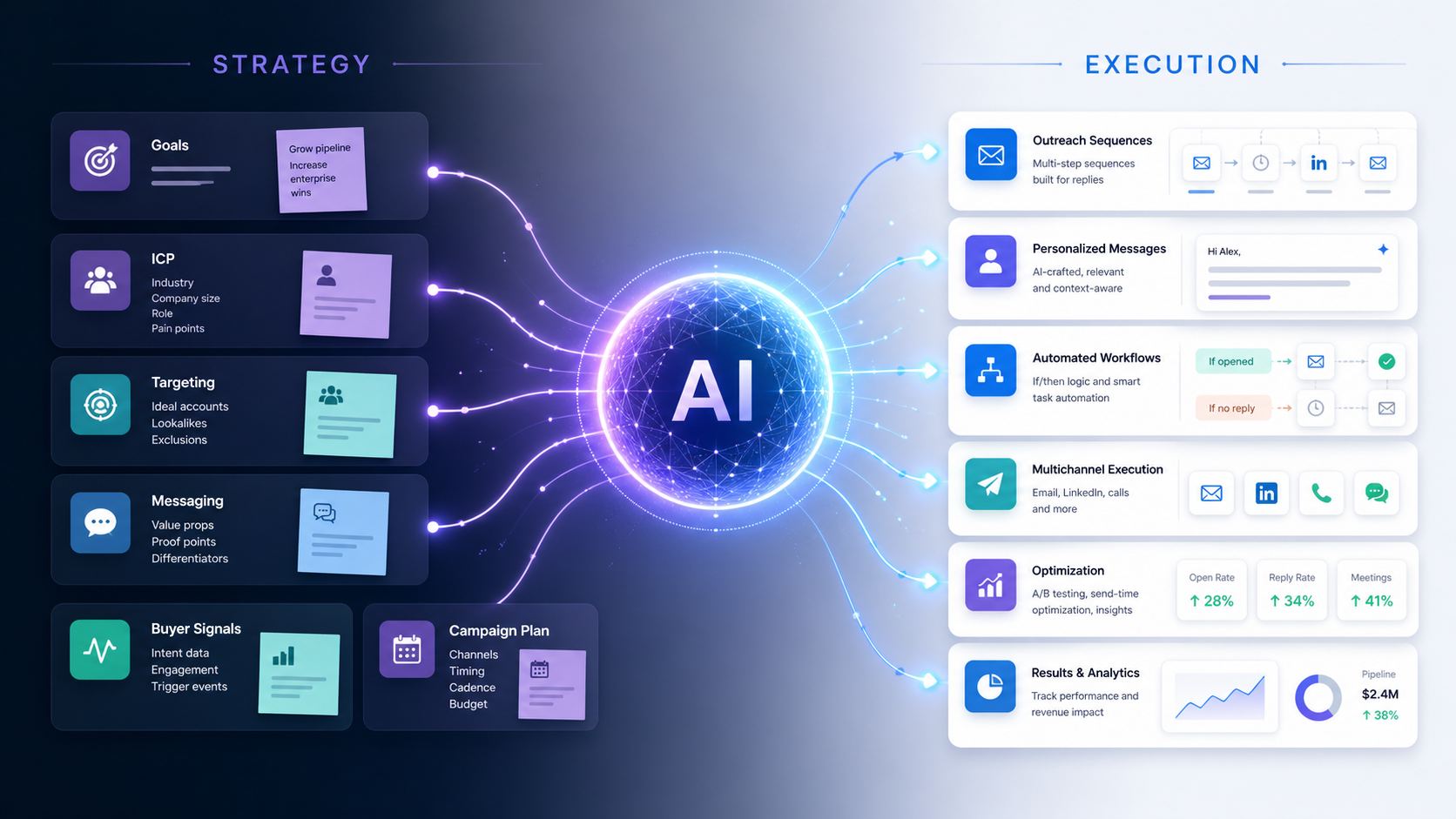
The next generation of automation isn’t about quantity. It’s about intelligence. AI will increasingly help identify ideal prospects, generate message variants, and adjust timing dynamically. But even as technology improves, success will always depend on human insight: understanding psychology, empathy, and authentic tone.
Conclusion
Most LinkedIn automation advice fails because it focuses on hacks instead of principles. Sending more messages doesn’t create more opportunities, sending the right ones does.
Small businesses that prioritize relevance, safety, and authentic engagement will continue to win. Automation isn’t the problem. Misuse is. The future of LinkedIn outreach belongs to teams who combine technology with human connection.