
January 22, 2026
Why Decision-Makers Ignore 90% of LinkedIn Messages (And What Gets Through)


Introduction
If you’re doing LinkedIn outreach, here’s a hard truth:
most decision-makers ignore almost everything that lands in their inbox.
Not because they’re rude.
Not because they hate sales.
But because their attention is under constant attack.
Founders, executives, heads of sales, and hiring managers receive dozens of connection requests, pitches, and follow-ups every week. The majority get skimmed for less than two seconds before being archived, ignored, or forgotten.
Understanding why this happens is the difference between being noise and starting real conversations.
The Reality of the Decision-Maker Inbox
Decision-makers don’t experience LinkedIn the same way SDRs or marketers do.
Their inbox is not a place for discovery.
It’s a filter.
Most messages are evaluated subconsciously with one question:
“Is this worth my attention right now?”
If the answer isn’t immediately clear, the message is ignored. No reply. No rejection. Just silence.
This is why even well-written outreach often fails.
The 5 Reasons Decision-Makers Ignore LinkedIn Messages
1. They Look Like Work
Long messages feel like a task.
If your message requires effort to read, understand, or respond to, it creates friction.
Decision-makers default to conserving mental energy. Anything that looks like homework gets skipped.
What this looks like in practice:
- Long paragraphs
- Multi-point pitches
- Over-explaining your product
- Asking for meetings too early
Short, easy-to-process messages consistently outperform long ones.
2. They’re Clearly Self-Serving
Most LinkedIn messages are written from the sender’s perspective.
“I wanted to introduce myself…”
“I thought I’d reach out…”
“We help companies like yours…”
Decision-makers instantly recognize when a message is about you, not them. When that happens, engagement drops to zero.
They don’t ignore you because you’re selling.
They ignore you because you haven’t earned relevance yet.
3. They Feel Automated
Automation isn’t the problem.
Detectable automation is.
Decision-makers have seen the patterns:
- Generic opening lines
- Forced personalization
- Identical structure across messages
- Follow-ups that ignore context
Once a message feels automated, trust disappears. And without trust, there’s no reply.
4. There’s No Clear Reason to Respond
Many messages don’t answer the most important question:
“Why should I reply to this?”
If the message doesn’t offer:
- Insight
- Curiosity
- Relevance
- Or a low-friction reason to respond
…then silence is the safest response.
Decision-makers don’t reply out of politeness. They reply when it feels useful.
5. Timing Is Wrong
Even good messages fail when they arrive at the wrong moment.
Decision-makers prioritize:
- Active problems
- Current initiatives
- Immediate pressure
If your message doesn’t align with something already on their mind, it gets deprioritized. This is why follow-ups that add new context often perform better than first messages.
What Actually Gets Through to Decision-Makers
Ignoring 90% of messages isn’t a flaw.
It’s a defense mechanism.
The messages that break through share a few key traits.
1. They Feel Relevant Immediately
The first line does all the work.
Strong openers reference:
- The person’s role or responsibility
- A known challenge in their space
- A recent post, change, or signal
Weak openers talk about the sender.
If relevance isn’t obvious in the first sentence, the message is done.
2. They Respect Attention
Messages that get replies are easy to read and easy to respond to.
That means:
- Short sentences
- Clear intent
- One idea per message
The goal isn’t to convince.
It’s to open a door.
3. They Lead With Insight, Not Pitch
Decision-makers respond to insight far more than offers.
Examples of insight-driven angles:
- A pattern you’re seeing across similar companies
- A mistake others in their role often make
- A small observation that reframes a problem
Insight builds credibility without selling.
4. They Ask Low-Pressure Questions
High-commitment asks kill replies.
“What’s your calendar look like?”
“Can we book 30 minutes?”
These feel like obligations.
Messages that get responses ask:
- A simple question
- A curiosity-based prompt
- A permission-based follow-up
Replying should feel safe, not binding.
5. They Sound Human
This matters more than anything else.
The best-performing messages read like something a real person would send:
- Slightly imperfect
- Conversational
- Context-aware
Human tone beats perfect copy every time.
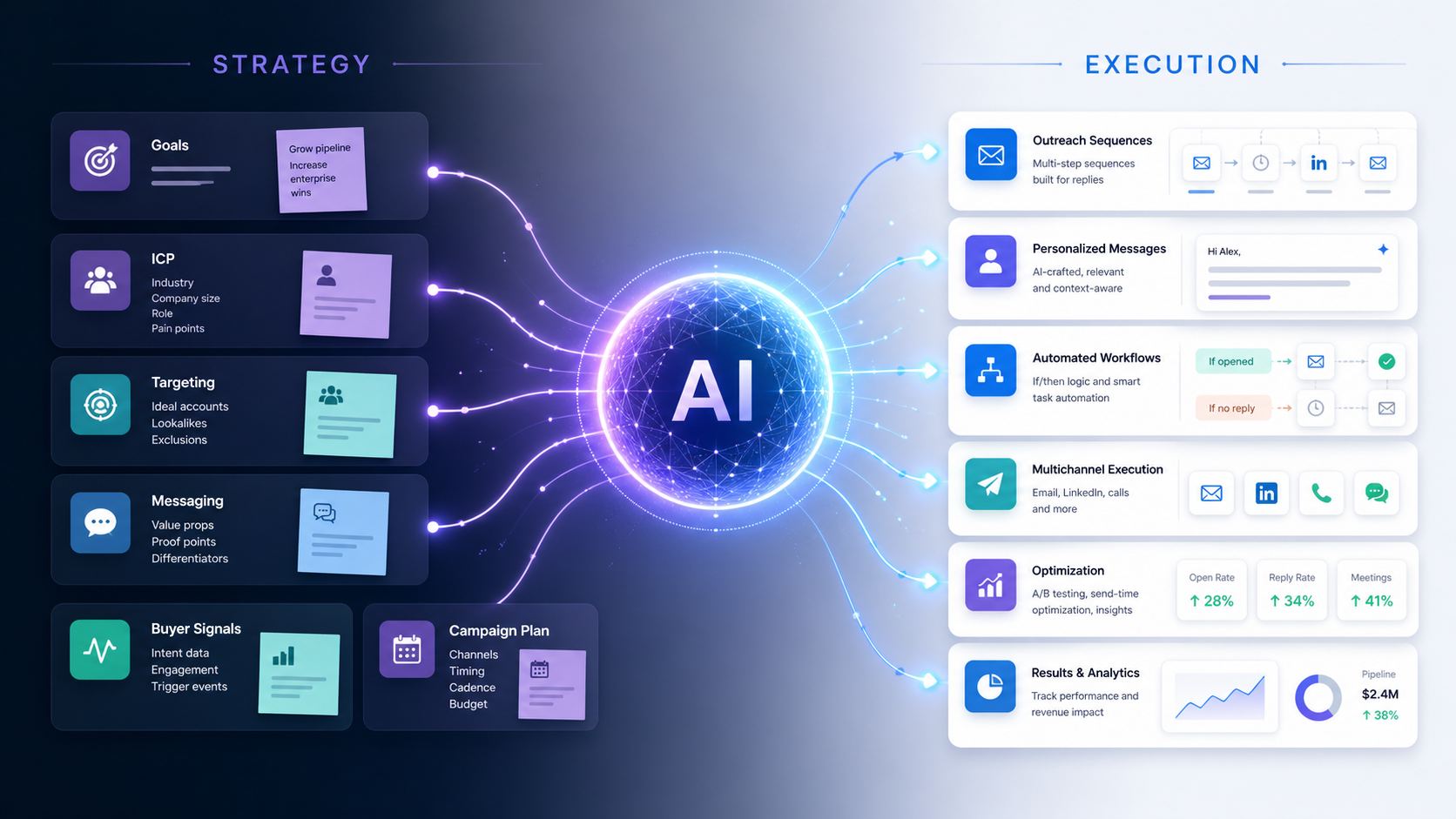
The Role of Automation (Used Correctly)
Automation doesn’t cause messages to be ignored.
Bad automation does.
When used properly, automation helps with:
- Consistency
- Timing
- Follow-through
- Scale
But automation should never replace thinking.
The most effective teams use automation to support relevance, not substitute for it.
A Simple Framework That Gets Replies
Before sending any LinkedIn message, ask:
- Is this clearly about them?
- Does it respect their time?
- Does it give them a reason to respond now?
If the answer to any of those is no, the message won’t get through.
Why This Matters More Than Ever
As LinkedIn outreach and sales automation become more common, decision-makers get better at filtering noise.
This means:
- Volume matters less
- Relevance matters more
- Human tone wins
The teams that succeed aren’t the ones sending more messages.
They’re the ones sending better ones.
Conclusion
Decision-makers don’t ignore LinkedIn messages because they hate outreach.
They ignore them because most messages don’t respect attention, relevance, or context.
The messages that get through feel human, useful, and easy to respond to.
Whether you’re using LinkedIn outreach manually or through automation, the principle is the same:
If your message doesn’t earn attention, it won’t get a reply.
And if it does earn attention, you don’t need volume at all.