
November 26, 2025
LinkedIn Messaging Etiquette: Cultural Do’s and Don’ts for Global Outreach


Introduction
LinkedIn has become the global hub for B2B relationships. Whether you’re selling, hiring, or partnering, chances are your messages are reaching people across borders and cultures. Yet what works in one country can fall flat. or even offend, in another.
For small businesses and teams using LinkedIn automation or sales outreach at scale, understanding cultural etiquette isn’t optional. It’s essential. Knowing how to adjust tone, formality, and timing can mean the difference between being seen as professional or presumptuous.
Why Cultural Awareness Matters in LinkedIn Outreach
LinkedIn’s professional tone is universal, but communication norms are not. A casual message that performs well in the United States might feel unprofessional in Germany or Japan. Similarly, direct offers that work in the U.K. could seem overly forward in the Middle East.
When outreach campaigns ignore cultural differences, even the best automation or personalization can backfire. Global etiquette isn’t about walking on eggshells - it’s about showing respect, empathy, and awareness.
Common Cultural Dimensions That Impact LinkedIn Outreach
1. Formality vs. Informality
- High-formality cultures (Germany, Japan, France) value titles, full names, and polite phrasing.
- Low-formality cultures (U.S., Australia, Netherlands) prefer friendly, direct communication.
Example:
- Germany: “Dear Mr. Schneider, I came across your profile while researching technology partners…”
- U.S.: “Hey John, saw you’re doing some exciting work in SaaS - thought I’d reach out.”
2. Directness vs. Indirectness
In some regions, being straightforward earns respect. In others, subtlety is expected.
- Direct cultures: U.S., Canada, Israel, Scandinavia — appreciate concise, action-oriented messages.
- Indirect cultures: Japan, India, parts of Latin America — prefer relationship-building before proposals.
Tip: When messaging in indirect cultures, start by showing genuine interest before making an ask.
3. Relationship Orientation
In Western markets, business often starts with value propositions. In Asia, trust and relationships often precede business.
- High relationship focus: Southeast Asia, Middle East, China — spend more time on introductions and rapport.
- Low relationship focus: Northern Europe, North America — quicker transitions to business topics.
Automation should adapt pacing accordingly: fewer follow-ups in rapid succession, more gradual engagement.
4. Language Nuance
When reaching non-native English speakers, clarity beats creativity. Avoid idioms, slang, or overly clever phrasing. A phrase like “touch base” or “circle back” might not translate well.
Simple, concrete language increases comprehension and professionalism across cultures.
5. Timing and Response Expectations
Not every culture treats response time equally.
- Fast-response cultures: U.S., UK, Canada — expect quick replies and follow-ups.
- Slower-response cultures: France, Italy, parts of Asia — value thoughtful responses over immediacy.
When scheduling automated sequences, leave extra time between messages for markets with slower communication rhythms.
Regional Do’s and Don’ts
North America
- Do: Be friendly, confident, and to the point.
- Don’t: Overuse formal greetings or long introductions.
Western Europe
- Do: Keep messages polite and precise. Reference shared interests or mutual contacts.
- Don’t: Use humor or slang unless you already have rapport.
Eastern Europe
- Do: Lead with professionalism and authority. Establish credibility early.
- Don’t: Assume informality, build respect first.
Latin America
- Do: Personalize with warmth and enthusiasm. Show genuine interest in people.
- Don’t: Rush into business immediately. Start with small talk.
Asia-Pacific
- Do: Show respect and humility. Use formal greetings and avoid aggressive CTAs.
- Don’t: Use overly casual tone or direct confrontation.
Middle East
- Do: Focus on relationships and trust-building. Express appreciation.
- Don’t: Push for instant decisions or commitments.
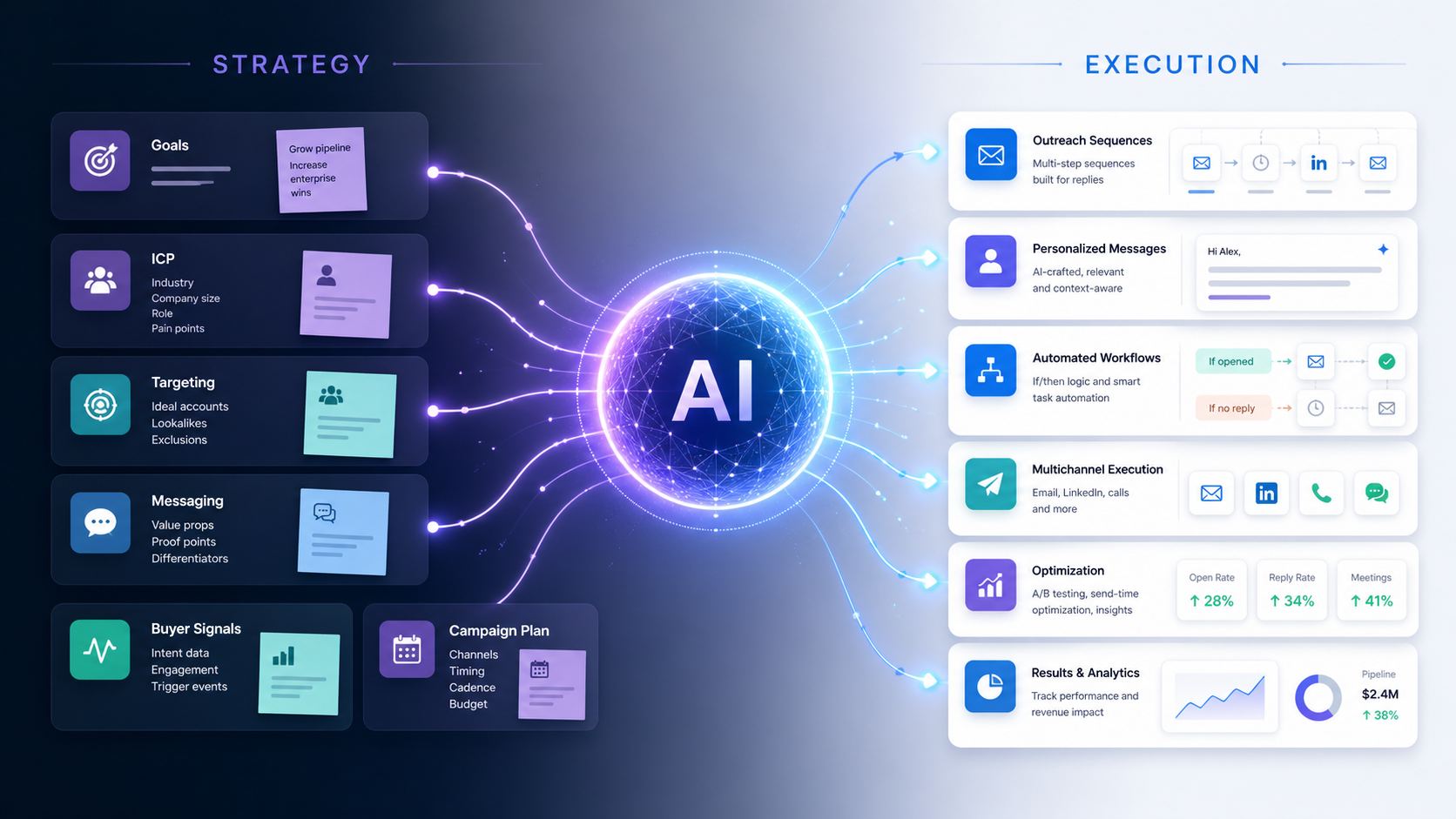
How to Adapt Automation for Global Outreach
Automation can support cultural sensitivity if used intelligently.
- Segment by region: Create audience segments by geography to adapt tone and timing.
- Localize templates: Adjust formality levels, greetings, and expressions per region.
- Translate key campaigns: Even simple translation increases reply rates dramatically.
- Use time-zone scheduling: Send messages during business hours for each region.
Automation should enhance personalization, not erase cultural nuance.
Case Example: Adapting Tone Across Markets
A U.K.-based B2B marketing agency ran the same LinkedIn outreach campaign across three regions.
- United States: Conversational tone with direct CTA.
- Germany: Formal tone with structured, factual messaging.
- Spain: Warm tone emphasizing collaboration and value-sharing.
The results were clear: localized messaging outperformed the single global template by over 60% in reply rate. The lesson? Cultural adaptation scales better than one-size-fits-all automation.
The ROI of Cultural Intelligence
Cultural awareness builds trust, and trust drives replies. For small businesses expanding internationally, even small adjustments can double response rates. More importantly, it reduces the risk of appearing careless or impersonal.
In the long run, culturally informed automation delivers both higher engagement and stronger brand reputation.
Conclusion
Global LinkedIn outreach isn’t just about scaling messages, it’s about understanding people. By respecting cultural norms, small businesses can stand out as thoughtful, professional, and globally competent.
Automation can amplify your reach, but empathy amplifies your impact. When the two work together, you’ll never sound like spam - you’ll sound like someone worth replying to.